
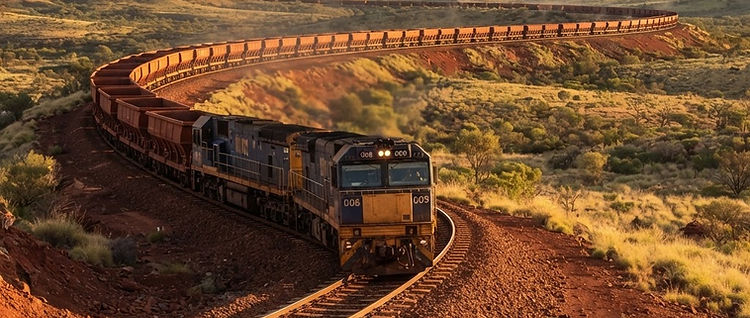
Rail infrastructure covers the track, signalling, rolling stock, terminals and supporting systems used for freight and passenger movement. In industrial markets its main role is heavy haul: moving bulk commodities from mines to ports at volumes and distances that road transport cannot match economically.
Projects range from heavy haul lines serving new mining provinces and rail links to ports, to network upgrades, passing loops, duplication, bridges, tunnels, bulk terminals and maintenance depots. Signalling and control upgrades, electrification and level crossing works form a continuous pipeline alongside major new lines.
Recent activity includes heavy haul expansions in resource-rich regions, rail links needed to unlock stranded deposits, and investment in upgrading freight corridors to shift volume from road to rail. Rolling stock procurement, including locomotives, wagons and specialised bulk cars, regularly accompanies infrastructure works, and mine-to-port capacity is frequently the binding constraint on production.
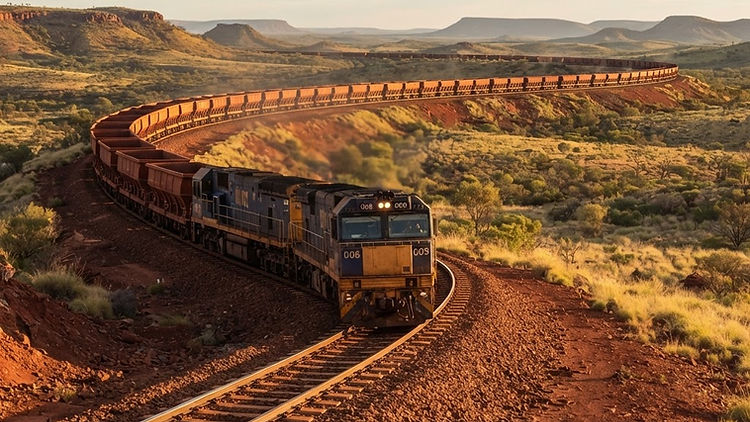
Development passes through feasibility and corridor studies, land acquisition and environmental approval, engineering design, procurement, construction and commissioning. In heavy haul, alignment, axle load, grade and curve radius are set by the commodity throughput forecast, and those parameters determine earthworks volumes, bridge and tunnel scope and rolling stock specification.
Procurement includes earthworks, ballast, rail and sleepers, turnouts, bridges and viaducts, tunnels, signalling and train control, communications, electrification, rolling stock, maintenance equipment and bulk materials handling at terminals. Long procurement and delivery lead times for rail, signalling systems and rolling stock make early engagement with suppliers essential.
Looking ahead, the sector is balancing new capacity with productivity and decarbonisation. Heavier axle loads, longer trains, automation and condition monitoring improve throughput on existing corridors, while electrification, battery and hydrogen traction and modal shift targets shape new investment. Project Atlas tracks rail projects and their procurement packages from corridor announcement through construction and commissioning.
Interface management is the defining challenge in rail delivery. Track, signalling, rolling stock and terminals must be commissioned as a system, and late changes to one element cascade into the others. Operators increasingly seek integrated delivery teams that carry responsibility across the whole system rather than sequential packages.
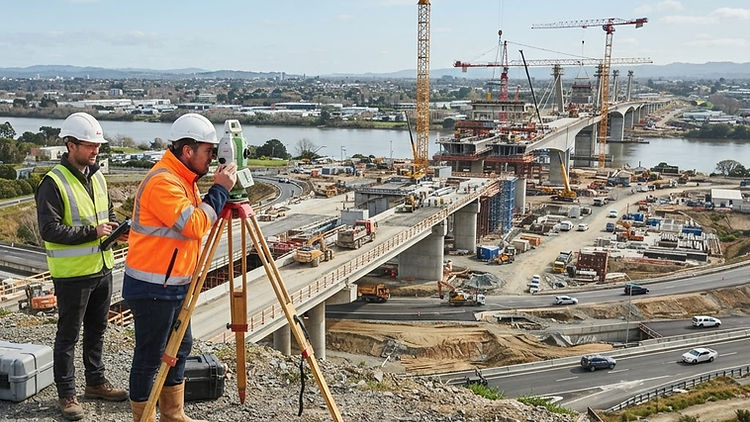
Skills and possession windows constrain construction on operating networks. Work is frequently staged around short track possessions, and signalling cut-overs must be completed without disrupting existing traffic. Project Atlas tracks rail programmes and their civil, track, signalling and rolling stock packages from early planning through commissioning.
Maintenance access shapes design as much as construction. Ballast, drainage, access roads and track geometry must support heavy maintenance machinery throughout the asset's life. In heavy haul, axle load and cycle frequency drive rail and sleeper specification more than speed does, and those choices affect decades of renewal procurement.
For contractors, rail work requires a spread of specialised plant: track machines, ballast wagons, flash butt welders and geometry cars. Availability of that fleet, and of certified operators, constrains how many works can be delivered simultaneously on a network.
Governments increasingly bundle rail with mine and port developments, so a rail package may be sanctioned only once the commodity offtake is secured. Tracking the upstream project therefore gives suppliers earlier warning than the rail tender itself.
Explore Rail Infrastructure projects
Browse live projects, tenders and procurement activity in this sector.
View projects