
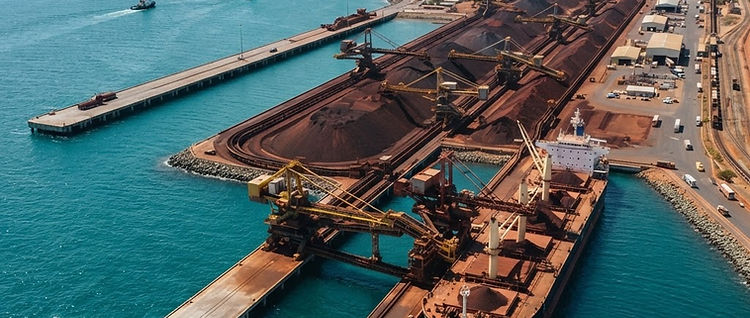
Ports and marine infrastructure covers the terminals, channels, berths, breakwaters and landside connections that move bulk, container and liquid cargo, as well as the offshore and marine construction works that support energy and resources projects. It is the physical interface between industrial production and global trade.
Projects range from greenfield ports and container terminals to expansion of existing bulk facilities, dredging campaigns, reclamation, breakwaters, wharves, jetties, stockyard and rail connections, and loading or unloading systems. Each involves marine conditions, geotechnical risk and complex interfaces between civil, structural, mechanical and electrical scope.
Recent activity has concentrated on bulk export capacity expansions and on new terminals serving mining and energy projects, alongside port upgrades required for larger vessels. Dredging for deeper channels, conveyor and rail links to hinterland mines, and automated container handling systems have been recurring themes, with investment often tied directly to project sanction decisions upstream.
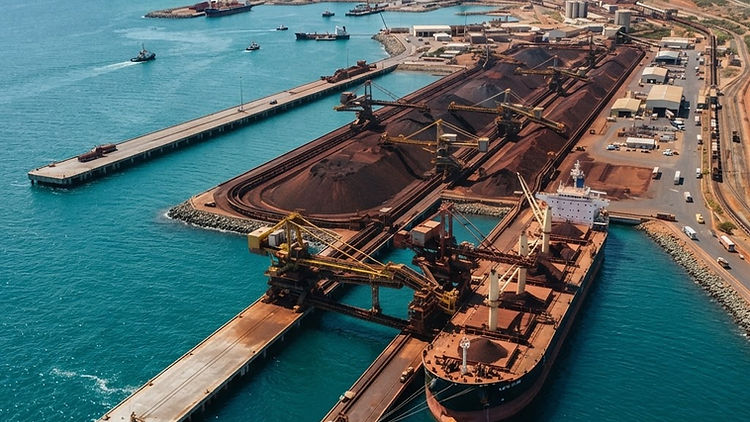
Development moves through demand and feasibility studies, site investigation, environmental approval, engineering design, procurement, marine construction and commissioning. Marine works are seasonal and weather-dependent, and staging must accommodate shipping during construction, which makes detailed construction methodology a core part of the business case.
Procurement includes dredging services, quay walls, piling, caissons, breakwater rock and armour, cranes, stackers and reclaimers, conveyors, ship loaders and unloaders, pipelines, mooring and berthing systems, and marine construction vessels. Dredging and marine construction capacity is limited worldwide, so contractor availability is as decisive as price.
The sector's future is shaped by automation, electrification of port equipment, decarbonisation of shipping and resilience to sea-level and weather risk. Shore power, electrified cranes and automated yards are being built into new terminals, while environmental approvals now demand rigorous dredge spoil, turbidity and marine habitat management. Project Atlas tracks port and marine projects and their procurement packages from feasibility through construction.
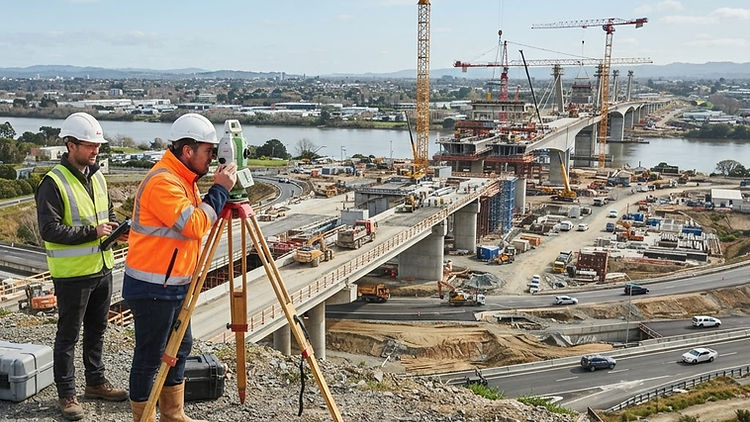
Landside connections determine terminal performance. Rail loops, road access, stockyard capacity and conveyor systems must match ship loading rates, and bottlenecks there can strand capacity that exists at the berth. Port expansions increasingly fund and build hinterland rail as part of the same programme.
For contractors, marine works are a specialist market with limited global capacity. Dredging fleets, piling barges and heavy lift equipment are concentrated among a handful of firms, so early contractor involvement is common on large programmes. Project Atlas tracks port and marine projects and their construction packages from feasibility through commissioning.
Decarbonisation is changing terminal design. Electrified cranes, shore power, solar and storage on site, and dust suppression for bulk handlers are increasingly required, and environmental approvals now demand detailed modelling of dredging plumes, sediment disposal and marine habitat offset. Those studies add scope and time to the pre-construction phase.
Explore Ports & Marine projects
Browse live projects, tenders and procurement activity in this sector.
View projects