
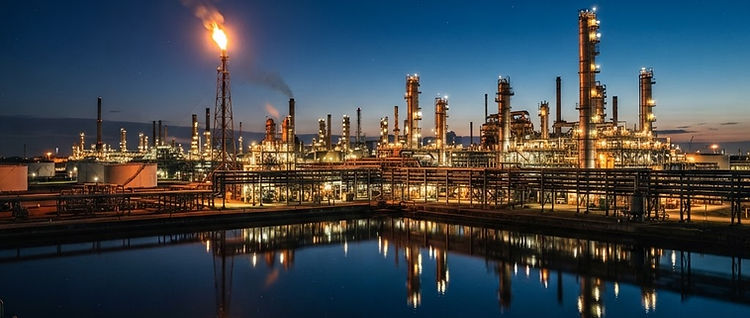
Petrochemical production converts natural gas, natural gas liquids and refined petroleum fractions into the chemical building blocks used across manufacturing. Steam crackers produce ethylene and propylene, aromatics complexes yield benzene, toluene and xylenes, and downstream units turn those intermediates into polymers, fibres, solvents and specialty chemicals.
Complexes are typically large, integrated and co-located with refineries or gas processing plants to share feedstock, utilities and logistics. Economies of scale are decisive: world-scale crackers, propane dehydrogenation units, methanol-to-olefins plants and aromatics complexes are designed around a small number of very large process trains, supported by extensive tank farms, marine terminals and utility systems.
Recent activity has been driven by cheap ethane in North America and by large integrated complexes in the Middle East and Asia, with China adding substantial coal-to-chemicals and crude-to-chemicals capacity. At the same time, capacity additions have outpaced demand growth in some product chains, compressing margins and prompting delays, consolidations and plant closures in older, less efficient assets.
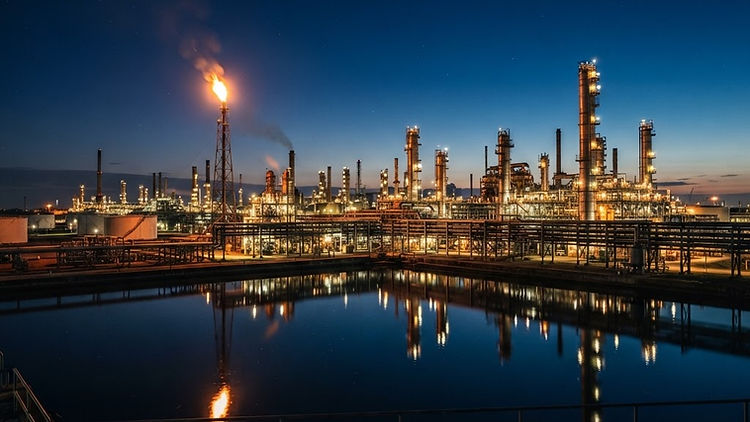
Projects pass through feasibility, licensor selection, front-end engineering design, a final investment decision, detailed engineering, modular or stick-built construction, pre-commissioning and start-up. Licensor selection is a decisive milestone, because process technology choices determine yields, energy consumption and the specific equipment list that will be tendered.
Procurement includes furnaces, cracking and quench systems, compressors, reactors, columns, heat exchangers, pumps, valves, specialised alloys, piping and platework, together with polymerisation lines, extrusion and pelletising equipment and bulk materials handling. Fabrication of large vessels and modules is frequently placed offshore to access capacity and manage site labour constraints.
The sector's future is being shaped by feedstock transition, recycling and decarbonisation. Mechanical and chemical recycling, bio-based feedstocks, electrified crackers, hydrogen firing and carbon capture are moving from pilot to commercial scale, while regulators push for recycled content and lower lifecycle emissions. Project Atlas tracks petrochemical projects through licensor awards, engineering, construction and start-up, flagging procurement opportunities as complexes advance.
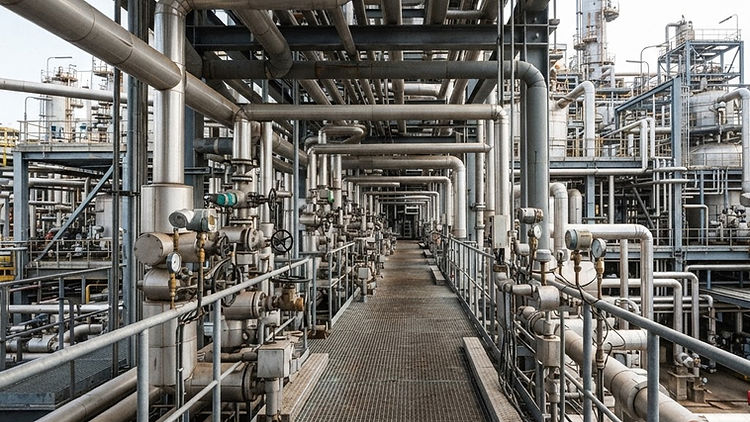
Feedstock flexibility is a growing design requirement. Crackers configured to run ethane, propane, naphtha or a mix can respond to price spreads, and crude-to-chemicals configurations aim to lift chemical yields above traditional refinery output. That flexibility influences furnace design, separation trains and the overall utility balance of a complex.
Trade and sustainability policy increasingly shape project decisions. Carbon border measures, recycled content mandates and product carbon footprint reporting affect where new capacity is built and how it is configured, while older assets face closure if they cannot be upgraded economically. Project Atlas tracks these complexes and their engineering, fabrication and equipment packages as they progress toward start-up.
Commissioning and start-up carry technical and commercial weight in this sector, because process units must reach specification quickly to avoid off-spec product and flaring. Pre-commissioning, operator training and vendor support are therefore planned as procurement scope, not as an afterthought, and specialist commissioning contractors are engaged alongside the EPC award.
Explore Petrochemical projects
Browse live projects, tenders and procurement activity in this sector.
View projects