
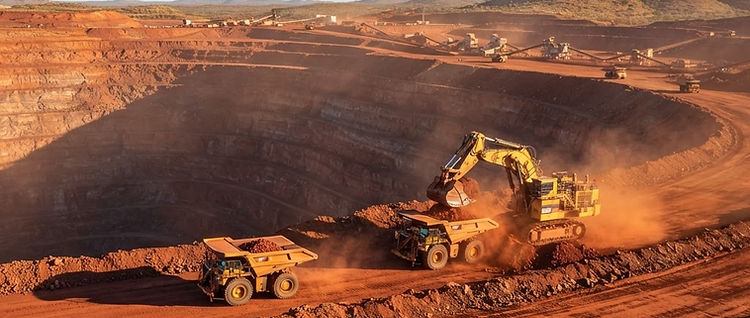
Mining is the extraction of naturally occurring minerals and geological materials from the earth's crust, and it remains the first link in almost every industrial supply chain. It covers surface and underground operations producing metals, coal, industrial minerals and construction aggregates, and it converts a geological resource into a saleable concentrate, metal or mineral product through drilling, blasting, haulage, crushing, processing and rehabilitation.
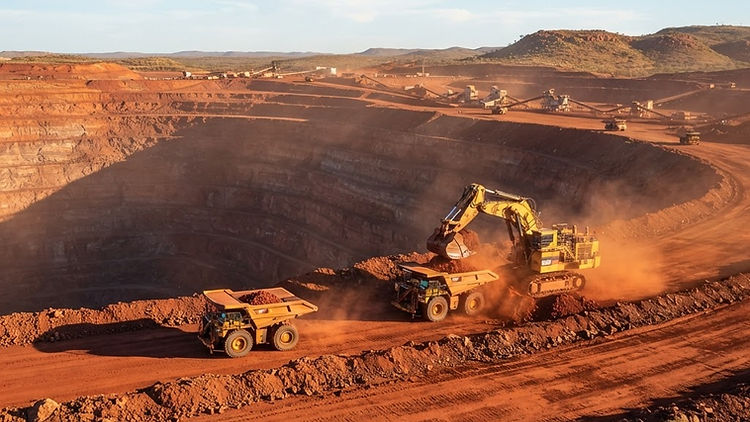
Projects in the sector take many forms. Open-pit mines dominate bulk commodities such as iron ore and copper, while underground operations, block caving and longwall extraction serve deeper orebodies and coal seams. Heap leach and pressure oxidation circuits unlock gold and refractory deposits, and solution mining is used for uranium and potash. Each configuration carries its own capital profile, construction sequence and equipment package, from haul trucks and shovels to grinding mills, conveyors and tailings storage facilities.
Recent activity has been shaped by the energy transition and by the metals intensity of electrification. Lithium, nickel, copper, graphite and rare earth projects have advanced quickly across Australia, Canada, Africa, South America and Southeast Asia to feed battery and renewable energy supply chains, while iron ore, bauxite and coal continue to underpin steel and power markets. Major operations such as Greenbushes in Western Australia and Kamoa-Kakula in the Democratic Republic of Congo illustrate the scale and speed at which new capacity is being brought online.
The path from discovery to production is long and capital intensive. A project typically passes through scoping and concept studies, a preliminary feasibility study, a definitive feasibility study, permitting and environmental approval, financing and a final investment decision before early works and construction begin. Feasibility, financing and approvals are the stages where scope and capital estimates are still fluid, and they are also the stages where engineering contractors, process plant suppliers and construction firms are engaged.
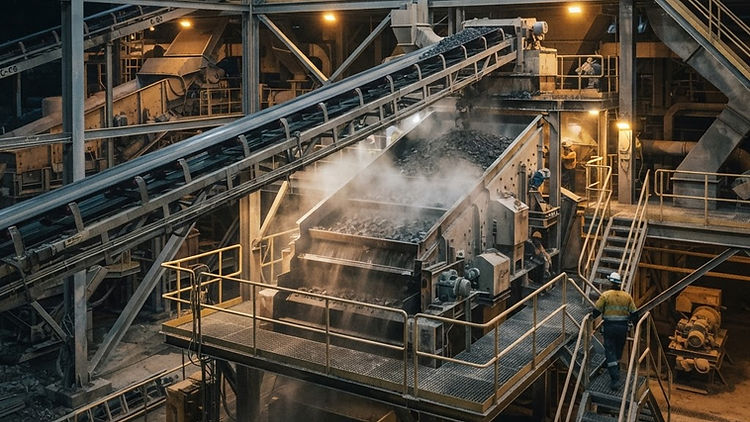
Procurement is concentrated in a few well-defined waves. Early works packages cover earthworks, access roads, camps and power; the main construction phase brings structural steel, platework, conveyors, mills, crushers, screens, pumps, tanks and mobile fleet; and commissioning and operations contracts cover spares, consumables, maintenance and process optimisation. Packages tied to the process plant are usually released after FID, while long-lead items such as grinding mills and large gearless drives are often reserved earlier to protect the schedule.
Historically the industry has followed commodity supercycles, moving between periods of chronic underinvestment and rapid expansion. The gold rushes of the nineteenth century, the iron ore boom of the 2000s driven by Chinese steel demand and the coal expansion that followed are all emblematic of a sector whose returns depend heavily on timing, grade and jurisdictional risk. Capital discipline has improved since the last downturn, with producers favouring brownfield expansions and staged developments over single large greenfield commitments.
Looking ahead, decarbonisation, falling ore grades and deeper orebodies are reshaping project economics. Electrification of haulage, autonomous fleets, in-pit crushing and conveying, and renewable power supply are moving from pilot programmes into standard design. Water stewardship, tailings management, rehabilitation obligations and social licence now shape approvals as decisively as geology, and permitting timelines have lengthened in most mature jurisdictions.

Project Atlas tracks mining projects across the full lifecycle, from exploration and resource definition through feasibility, approvals, financing, construction, commissioning and operations. Each record carries its owner, operator and contractors, location, stage history and linked tenders, so procurement teams can see which studies are closing, which projects are approaching sanction and where equipment and fabrication packages are likely to be released next.
Schedules are governed by a small number of critical paths. Exploration and resource drilling lead into metallurgical testwork, which sets the process flowsheet and equipment sizing; geotechnical and hydrological studies define pit slopes, foundations and water management; and environmental and heritage assessments determine what can be built and where. Compressing any of these stages increases technical risk, which is why study phases, rather than construction itself, usually decide whether a project meets its capital estimate.
The sector's biggest execution risks sit outside the orebody. Cost escalation in remote locations, shortages of skilled labour and camp capacity, power and water availability, port and rail access for bulk exports, currency movements and changes to royalties or permitting conditions can each move a business case materially. Projects that carry verified, well-sourced stage and contractor data therefore stand out, because early warning of a slipped approval or a reassessed study is often more valuable than the headline reserve figure.
Explore Mining projects
Browse live projects, tenders and procurement activity in this sector.
View projects