

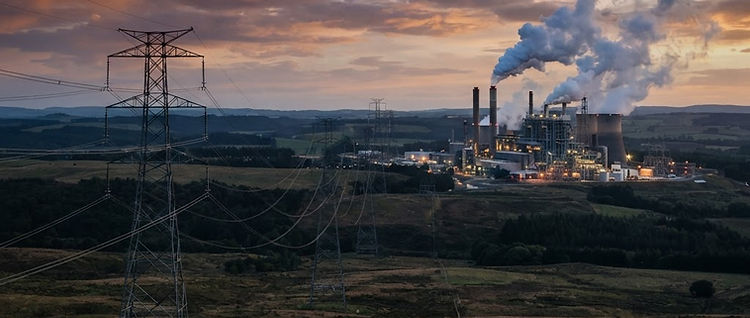
Energy is the broad sector that covers the production, conversion, transmission and supply of power and heat, from large centralised plants to distributed generation and storage. It sits between fuel supply and end demand, and it is where the economics of every other industry ultimately meet the electricity system that runs it.
Projects in the sector include thermal generation, gas-fired combined cycle and peaking plants, hydroelectric schemes, nuclear units, biomass and waste-to-energy facilities, utility-scale solar and wind farms, and grid infrastructure such as substations, transmission lines and battery storage. Each has a distinct development path, but all share long permitting timelines, complex grid connection requirements and heavy engineering and construction scope.
Recent activity reflects the reshaping of the generation mix. Renewables and storage account for the majority of new capacity additions worldwide, gas remains important for firming and industrial demand, and nuclear is receiving renewed policy attention including small modular reactor programmes. Grid investment has become a bottleneck in many markets, with connection queues lengthening and network reinforcements emerging as projects in their own right.

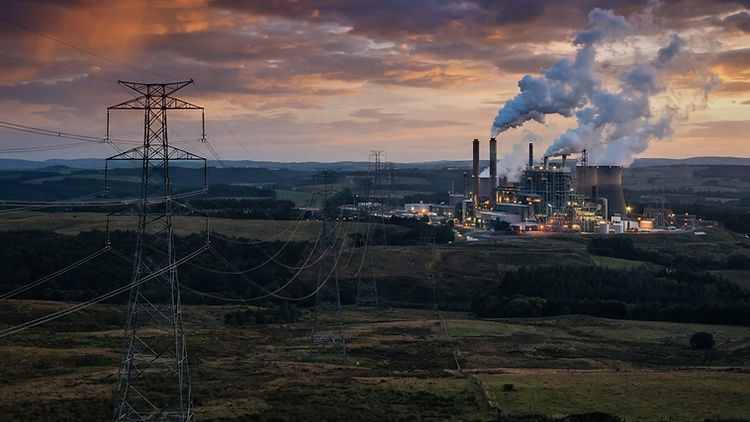
Development follows a familiar sequence: site identification, resource or feasibility assessment, grid connection and permitting, financing, engineering, construction, commissioning and commercial operation. Power purchase agreements, capacity markets and government auctions usually determine whether a project proceeds, and those commercial structures in turn shape the equipment specifications and the procurement schedule.
Procurement covers turbines, generators, boilers, heat recovery steam generators, transformers, switchgear, high-voltage cables, inverters, trackers, towers, blades and battery containers, alongside civil, mechanical and electrical balance-of-plant works. Long-lead electrical equipment in particular constrains schedules, and reservation agreements for transformers and high-voltage plant are now common well before construction starts.
The future of the sector is defined by decarbonisation, electrification of transport, heating and industry, and the integration of variable renewables. Storage, flexible demand, interconnectors and firm low-carbon capacity are all being built to keep systems reliable as synchronous generation retires. For suppliers, that means growing demand for grid equipment, power electronics and storage, and for developers it means tighter grid access and more complex revenue arrangements.
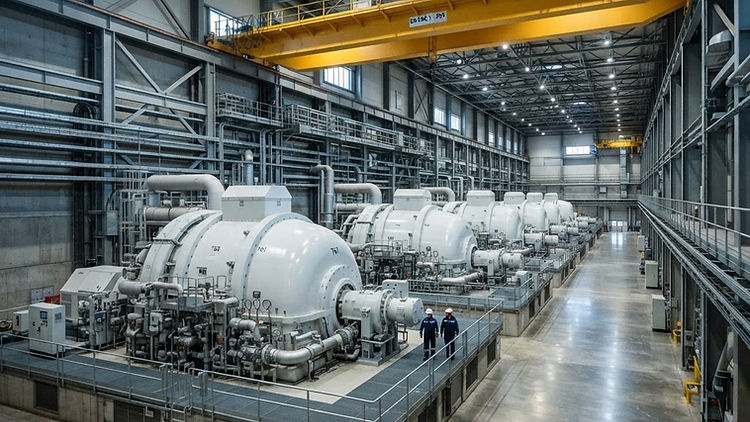
Project Atlas tracks generation, storage and grid projects from announcement through permitting, financing, construction and operation, capturing stage changes, contractors and linked tenders so that suppliers can see where equipment and construction packages will be released.
Grid connection has become the defining constraint for new generation. Studies, reinforcement works and connection agreements can consume years, and in several markets the queue of proposed projects far exceeds the network's ability to absorb them. That has pushed developers toward brownfield sites with existing connection capacity, hybrid projects pairing generation with storage, and co-located industrial offtake arrangements.
Storage is now a standard component of new capacity. Battery systems provide fast frequency response and arbitrage, pumped hydro provides long-duration flexibility, and hybrid configurations combine both with wind or solar. Procurement has shifted accordingly, with containerised battery systems, power conversion equipment and energy management software becoming regular tender categories alongside traditional plant equipment.
Explore Energy projects
Browse live projects, tenders and procurement activity in this sector.
View projects