
Battery materials are the minerals and processed inputs used in lithium-ion and next-generation batteries: principally lithium, nickel, cobalt, graphite, manganese and increasingly sodium, along with the refined chemicals and precursor materials that feed cell manufacture. The sector has become a strategic pillar of the energy transition, underpinning electric vehicles, grid storage and consumer electronics.
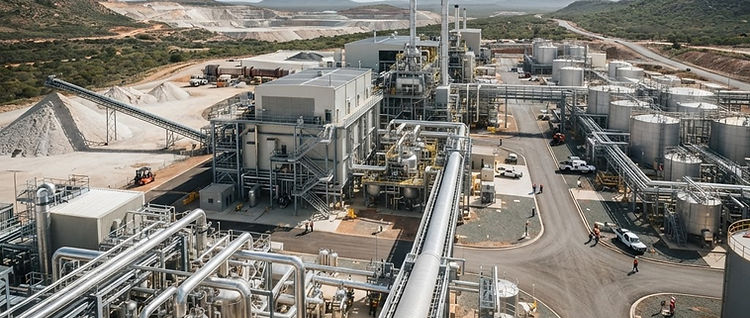
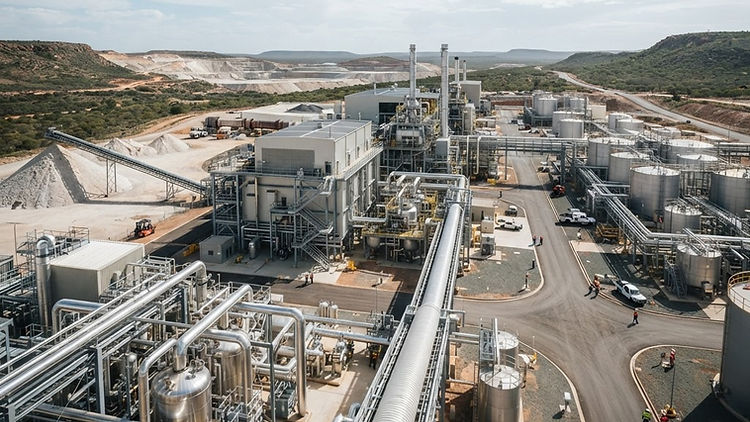
The supply chain runs from mine to cell. Spodumene, brine and clay deposits yield lithium concentrates and chemicals; laterite and sulphide orebodies yield nickel and cobalt intermediates; and natural or synthetic graphite is purified and spheronised. Cathode and anode active materials, electrolyte and separators are then produced by specialist chemical plants, often co-located with gigafactories to shorten logistics and improve quality control.
Recent activity has been extraordinary. Lithium and nickel projects have advanced across Australia, Indonesia, Chile, Argentina, Canada and Africa, while cathode and precursor plants have been built in China, Korea, Japan, Europe and North America. Prices have been highly volatile as new supply has arrived faster than demand in some periods, which has reshaped project economics and forced producers to defer expansion decisions.

Projects move through exploration and resource definition, metallurgical testwork, feasibility studies, permitting, offtake and qualification with cell makers, financing and construction. Qualification is a distinctive feature of this sector: cathode and cell producers must approve a specific plant's product before it can be sold, which adds months to commissioning and creates a strong link between producers and their downstream customers.
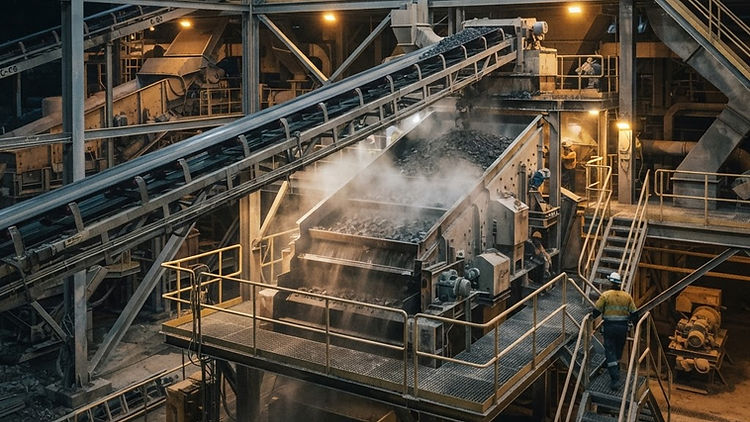
Procurement covers mining fleet, crushing and grinding, flotation, roasting, leaching and refining circuits, crystallisers, kilns, filtration and drying equipment, packaging and logistics. Process plants share much of their equipment base with mineral processing and chemicals, but the purity requirements and quality documentation are far stricter, which narrows the supplier pool.
The sector is young at scale: lithium-ion batteries were commercialised in the early 1990s, and demand only accelerated sharply in the 2010s with the rise of electric vehicles. That short history explains both the volatility and the rapid technology iteration, as cell chemistry has shifted repeatedly between nickel-rich, iron-phosphate and high-manganese formulations in response to cost and safety priorities.
Future demand is expected to multiply several-fold by 2030 as transport electrifies and stationary storage grows, but supply security, processing concentration, recycling capacity and permitting have become strategic issues for governments and manufacturers alike. Project Atlas tracks battery material projects from exploration through processing plant construction and offtake, flagging procurement signals as projects move toward production.
Jurisdictional competition is now a defining feature. Incentive programmes in North America, Europe and Asia have encouraged midstream and cell capacity to locate near end markets, and export controls on processing technology and critical minerals have added strategic risk to supply planning. Producers increasingly negotiate offtake with downstream partners before committing capital.
Environment and community expectations are tightening as well. Brine operations face water balance scrutiny, hard-rock projects face tailings and rehabilitation obligations, and refiners face emissions and effluent standards that influence both design and location. Project Atlas tracks these projects through feasibility, qualification, construction and ramp-up, flagging when process packages and long-lead equipment are tendered.
Explore Battery Materials projects
Browse live projects, tenders and procurement activity in this sector.
View projects